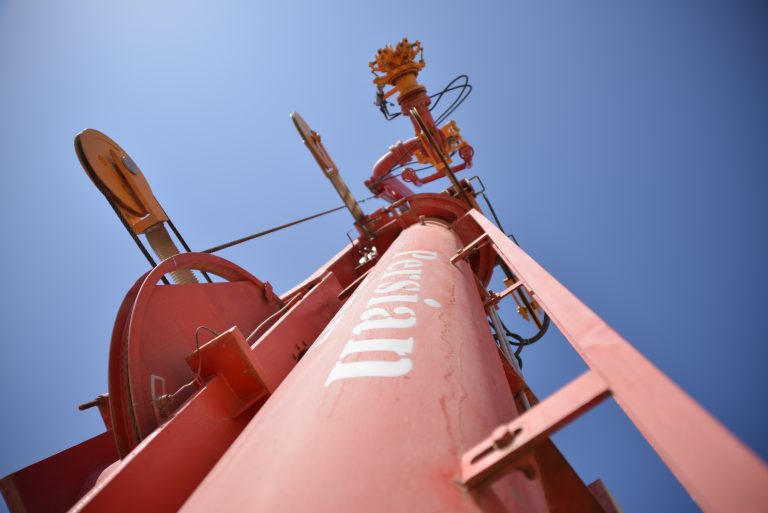
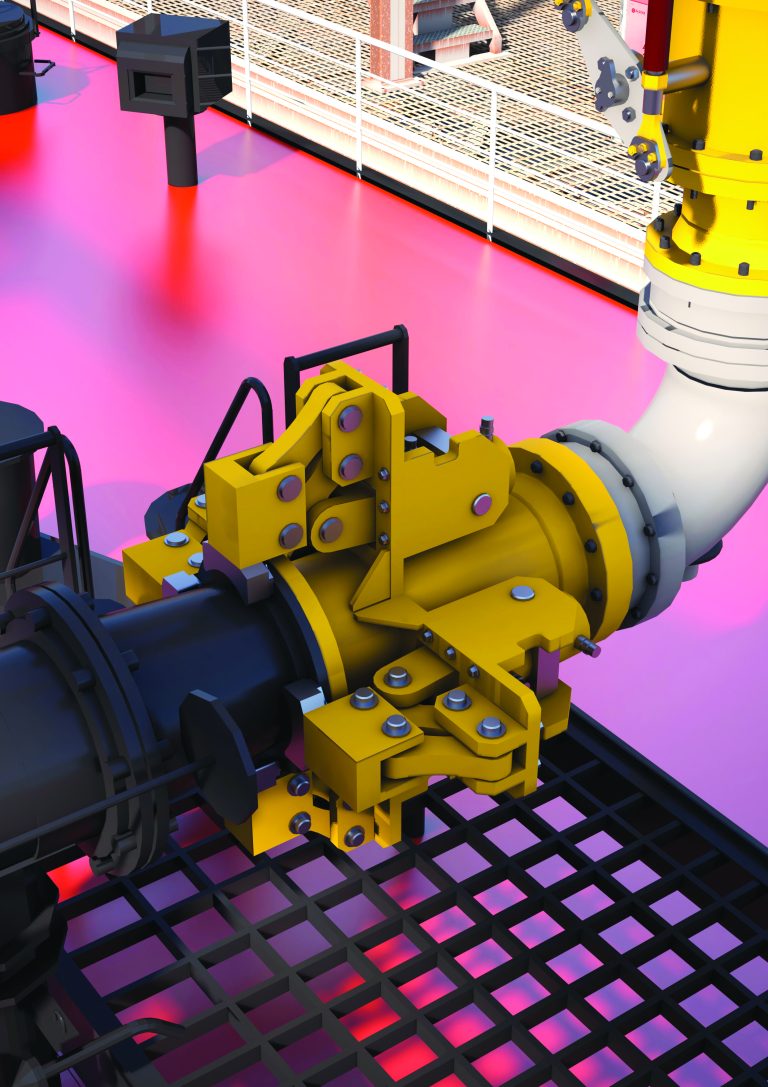
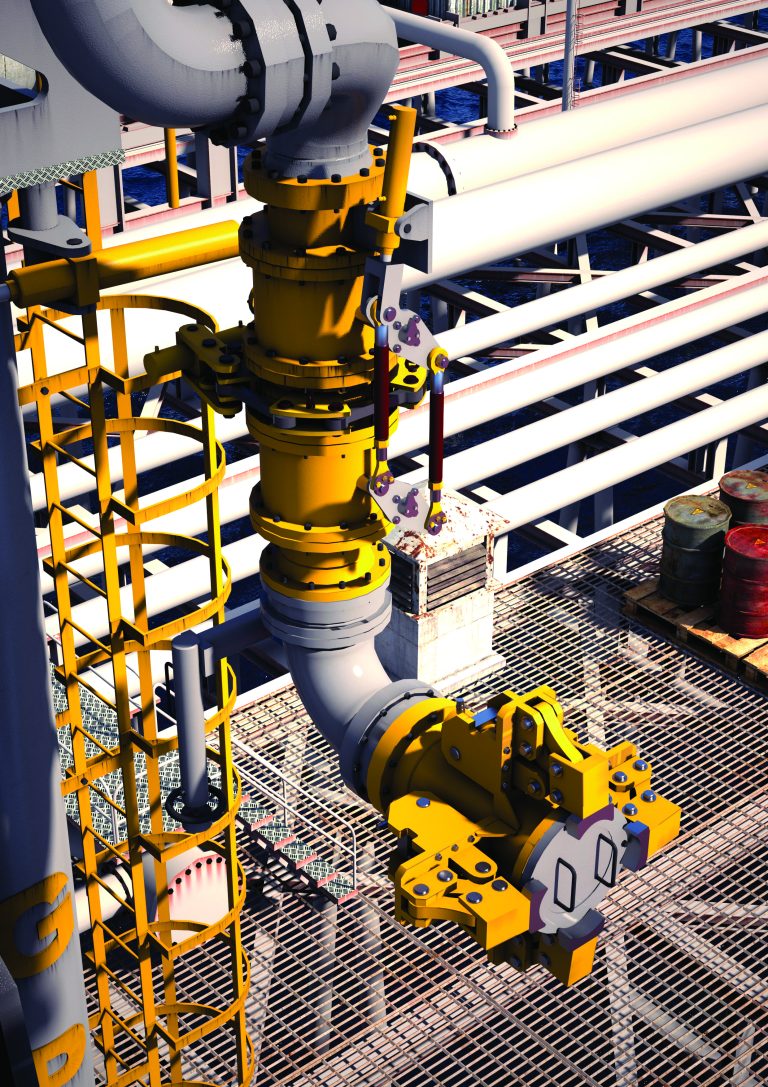

A Marine Loading Arm is a highly engineered mechanical system designed for the safe and efficient transfer of liquids or gases (e.g., crude oil, refined fuels, chemicals, LNG, etc.) between onshore storage facilities and marine vessels such as tankers and barges. Unlike hoses, MLAs provide a rigid, articulated, and counterbalanced structure that can handle high flow rates, operate under demanding marine conditions, and ensure precise and secure fluid transfer.
Marine loading arms are typically installed at jetties or piers and are equipped with swivel joints, emergency release systems (ERS), vapor recovery lines, and position monitoring systems for operational safety and environmental protection.
High Safety Standards: Closed transfer system reduces spillage, vapor emissions, and operator exposure.
High Flow Capacity: Handles large product volumes efficiently, ideal for VLCCs and Suezmax tankers.
Operational Flexibility: Compensates for tidal movement, ship drift, and surge.
Durability: Engineered for continuous use in harsh marine environments.
Remote Operation: Optional automation for remote control, improving safety and ease of use.
Compliance: Meets international codes (e.g., OCIMF, API, ISO, EN standards).
Manual or Hydraulic MLA
LNG Cryogenic MLA
Multi-product MLAs (with vapor return lines)
Oil terminals and offshore platforms
Petrochemical and chemical export/import jetties
LNG terminals
Naval and military ports
Refineries and tank farms with direct marine access
Oil & Gas (Upstream, Midstream, Downstream)
Petrochemicals and Chemicals
Liquefied Gas (LNG, LPG)
Marine Logistics and Shipping
Energy Infrastructure
| Feature | Typical Specification / Options |
|---|---|
| Nominal Size | 6″ to 24″ (DN150 to DN600) |
| Material | Carbon steel, stainless steel, aluminum alloy, cryogenic steel (for LNG) |
| Working Pressure | Up to 25 bar (higher for cryogenic and pressurized service) |
| Temperature Range | -196°C to +200°C |
| Swivel Joints | 360° multi-plane rotation, grease-lubricated, PTFE or metal seals |
| Counterbalancing | Hydraulic with counterweight system |
| Control Options | Hydraulic with electric control |
| Emergency Release | Quick release couplers (ERC) with breakaway functionality |
| Standards | API 2000, API RP 1004, OCIMF, EN 1474, ISO 16904 |
Site Survey: Evaluate jetty geometry, tidal range, ship movement range.
Foundation Preparation: Anchor MLA base to reinforced concrete deck.
Mechanical Assembly: Install arms, swivel joints, counterbalance system, and hydraulic/pneumatic controls.
Integration: Connect to terminal piping and control systems.
Testing: Hydrostatic, operational, and ERS testing prior to commissioning.
Routine Inspections: Check swivel joints, seals, and counterbalance system.
Lubrication: Apply to pivot points, joints, and bearings as specified.
Seal and Hose Replacement: As per manufacturer guidelines or visual wear.
Function Testing: Monthly or quarterly testing of ERS and remote control systems.
Major Overhaul: Every 5–10 years, depending on service frequency and product handled.
Closed Transfer System: Prevents spills and volatile organic compound (VOC) emissions.
Emergency Release System: Reduces environmental damage risk during mooring failures.
Vapor Recovery Integration: Captures displaced vapors during loading/unloading.
Long Service Life: Designed for decades of continuous operation, reducing waste.
Modular Components: Swivel joints and pipes can be refurbished or recycled.
Leak Detection & Automation: Reduces accidental releases and allows rapid response.
Hydraulic Fluid Use: Must be monitored to prevent marine contamination.
Cryogenic Systems (LNG): Require safe insulation and monitoring to avoid boil-off gas emissions.